



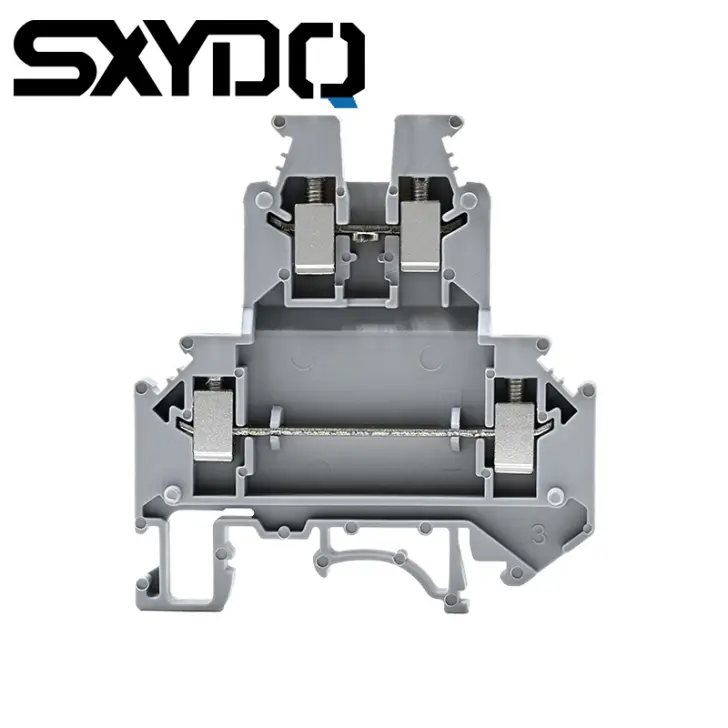
Are Push-In Terminal Blocks Revolutionizing Industrial Wiring Efficiency?
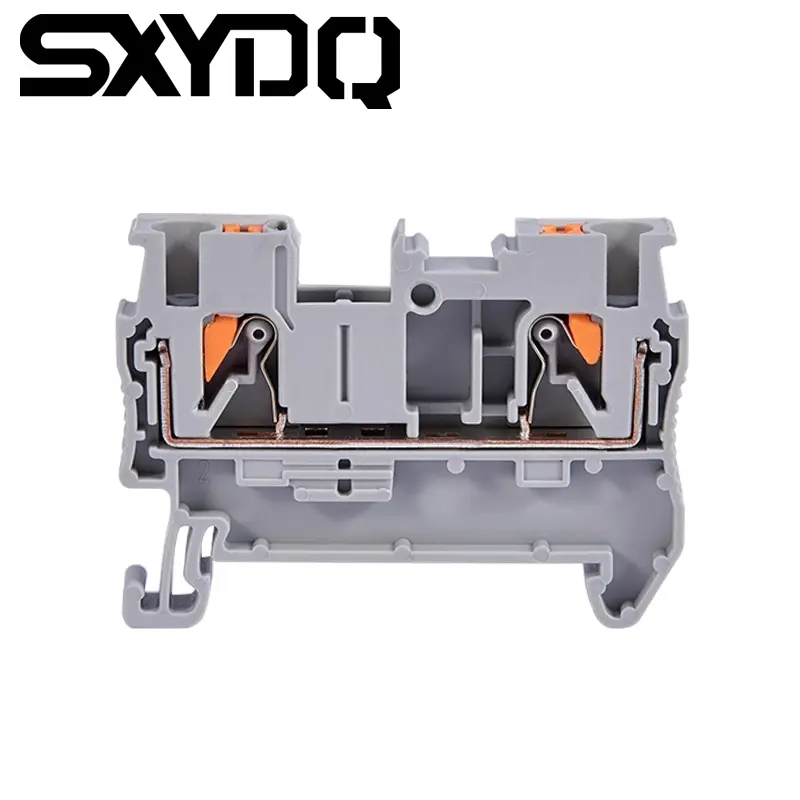
In the rapidly evolving world of industrial automation, a quiet yet profound revolution is reshaping the foundation of electrical connection technology. As factories migrate toward digitalization, intelligence, and interconnection, traditional screw terminals—long the staple of industrial wiring—are being rapidly replaced by push-in terminal blocks, which have swiftly become the new benchmark for modern manufacturing. More than a simple component upgrade, this shift represents a pivotal leap in how industrial systems achieve efficiency, reliability, and data-driven operation. By redefining electrical connection from a manual, error-prone task to a fast, stable, and intelligent process, push-in terminal blocks have become an indispensable cornerstone of Industry 4.0, empowering the entire industrial chain to move toward higher productivity, lower downtime, and smarter management.
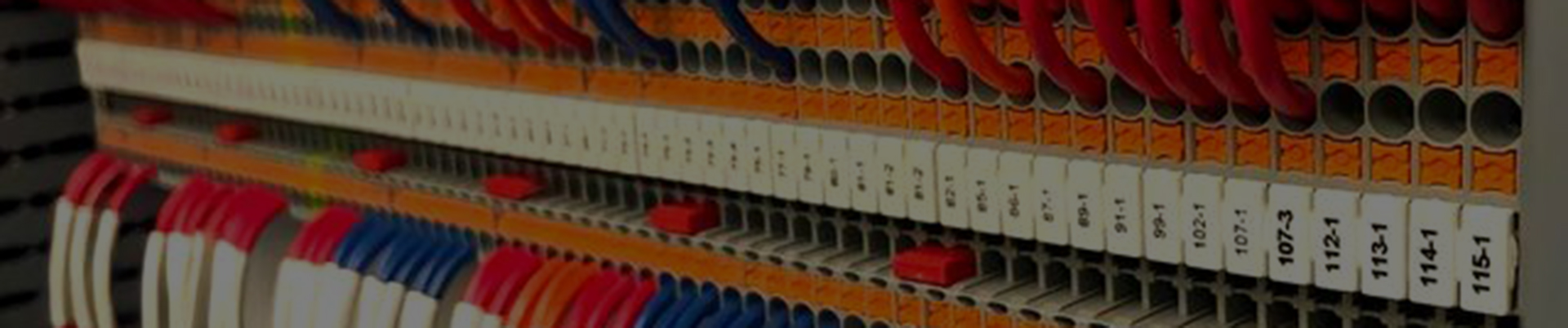
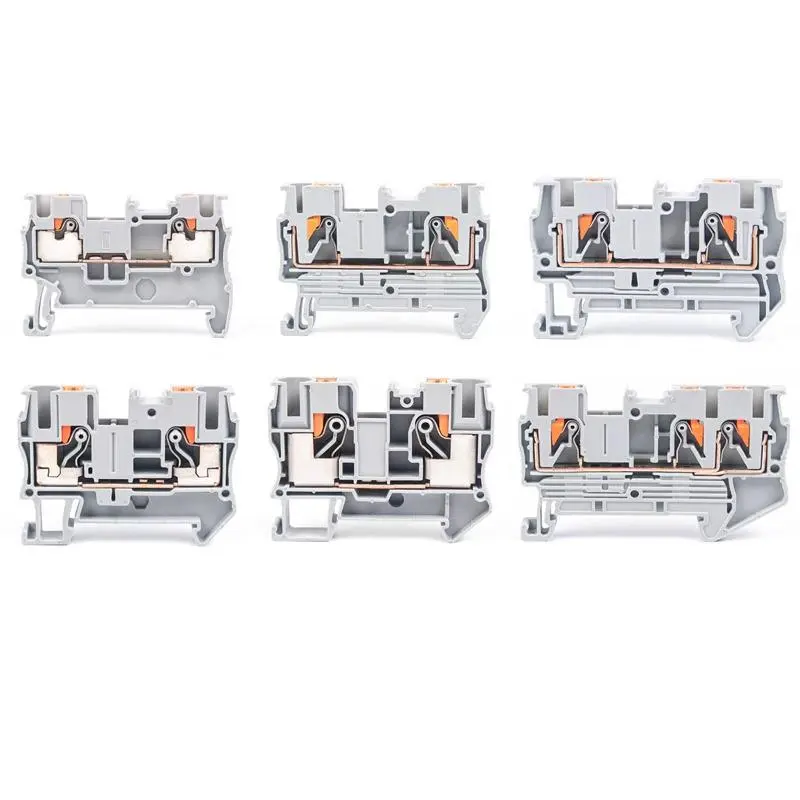
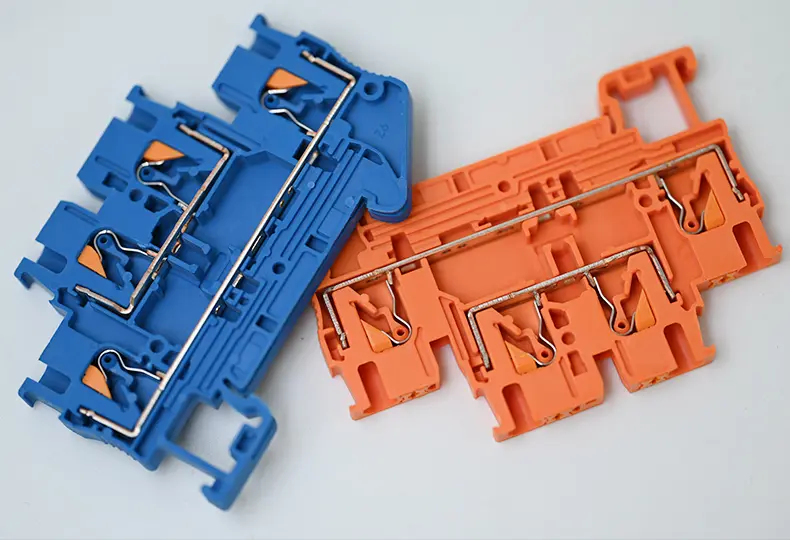
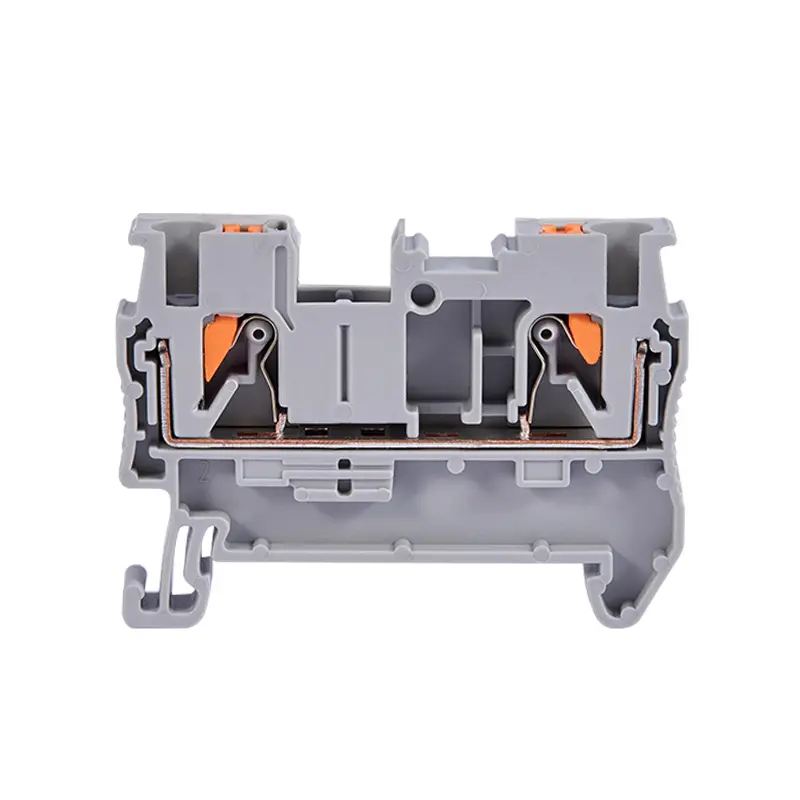
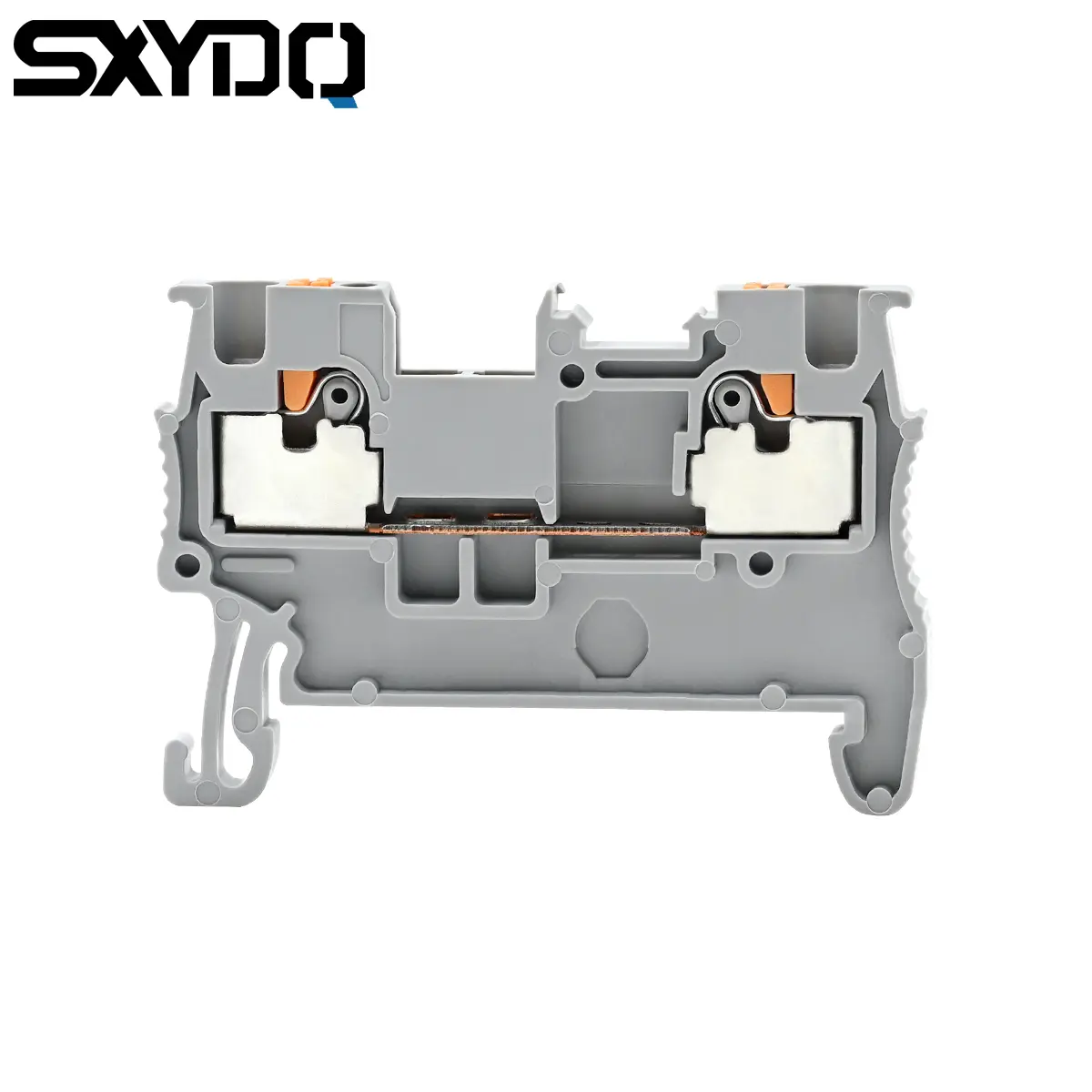
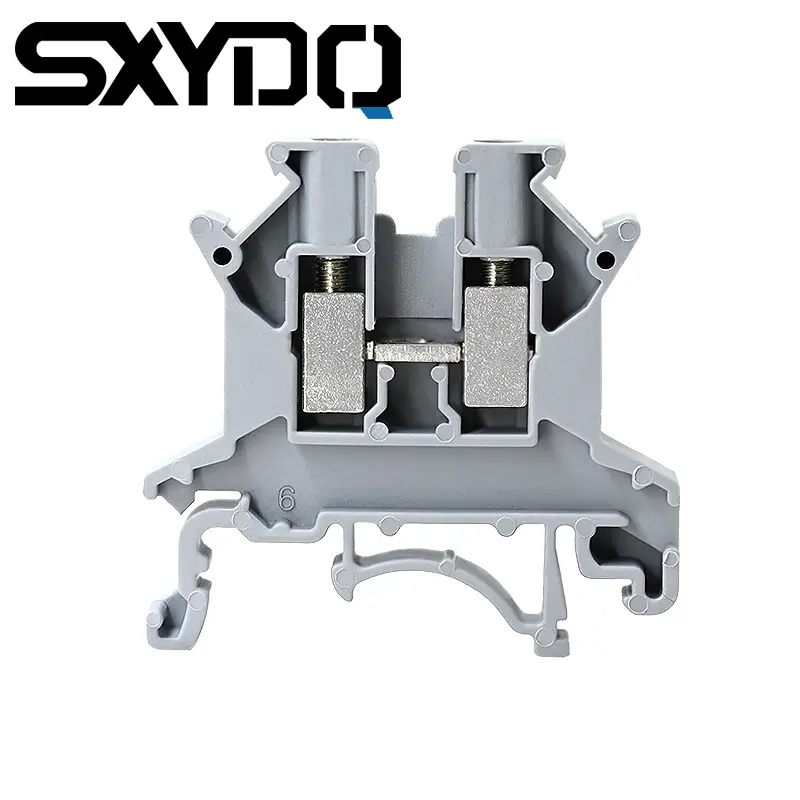
At the heart of this transformation is the unprecedented efficiency breakthrough delivered by push-in terminal blocks. Unlike screw terminals that require repeated tightening with tools and carry risks of loose connections or uneven torque, push-in designs rely on precision internal spring-clamp mechanisms that create a secure, vibration-resistant bond the moment a prepared solid or ferruled strand wire is inserted. Industry data consistently validates this advantage: wiring time is cut by up to 50%, labor costs drop sharply, project cycles shorten, and human error is minimized at scale. In high-density control cabinets, automated production lines, and large-scale equipment assembly, this speed is not just convenient—it is strategic. It enables faster equipment commissioning, more agile line reconfiguration, and simpler on-site maintenance, directly boosting overall operational efficiency and giving manufacturers a critical edge in responding to volatile market demands.
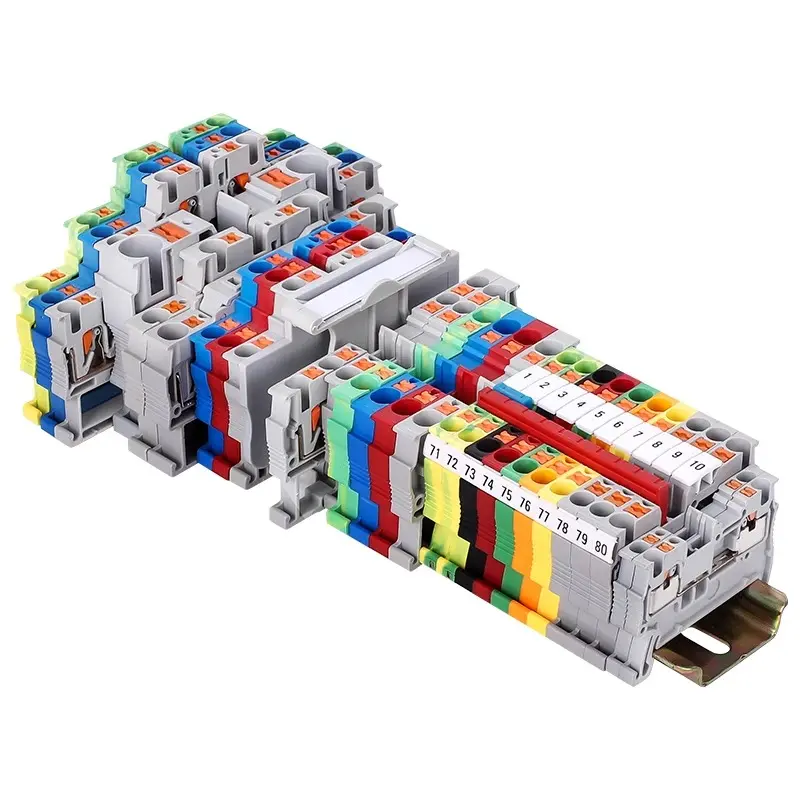
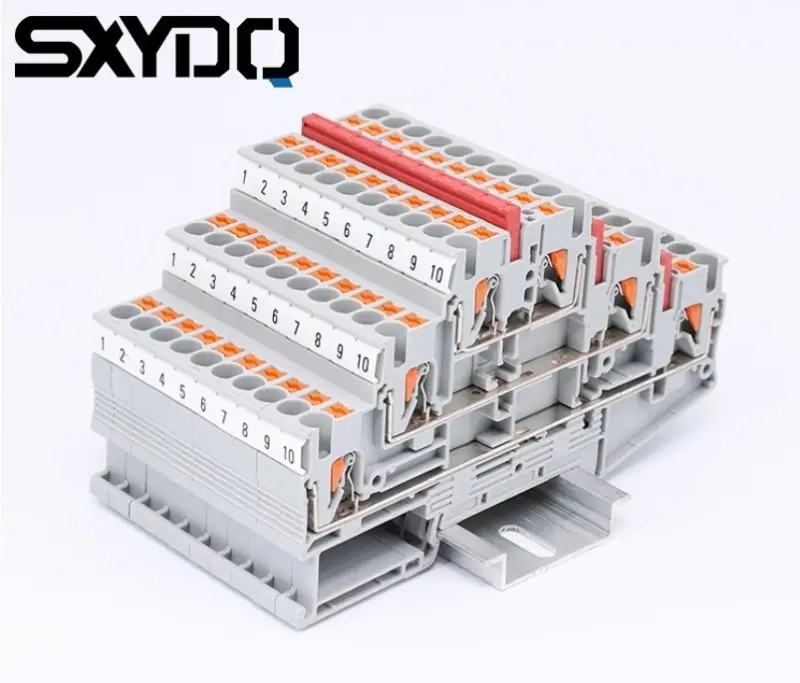
Beyond speed and convenience, push-in terminal blocks are spearheading a smart connection revolution that transcends their role as passive connectors. Equipped with embedded sensors, they continuously monitor critical parameters such as contact temperature, real-time current, and connection integrity. Paired with IO-Link and other industrial communication protocols, these terminals turn raw data into actionable insights, enabling predictive maintenance and early fault detection before small issues escalate into costly system failures. Color-coded indicators, transparent inspection windows, and visual confirmation mechanisms allow engineers to verify connection status at a glance, while advanced clamp structures and anti-vibration designs ensure stable performance in harsh, high-shock environments such as robotics, automotive production, and heavy machinery. This fusion of mechanical reliability and digital intelligence elevates electrical connections from basic links to active, self-monitoring nodes within the Industrial Internet of Things (IIoT).
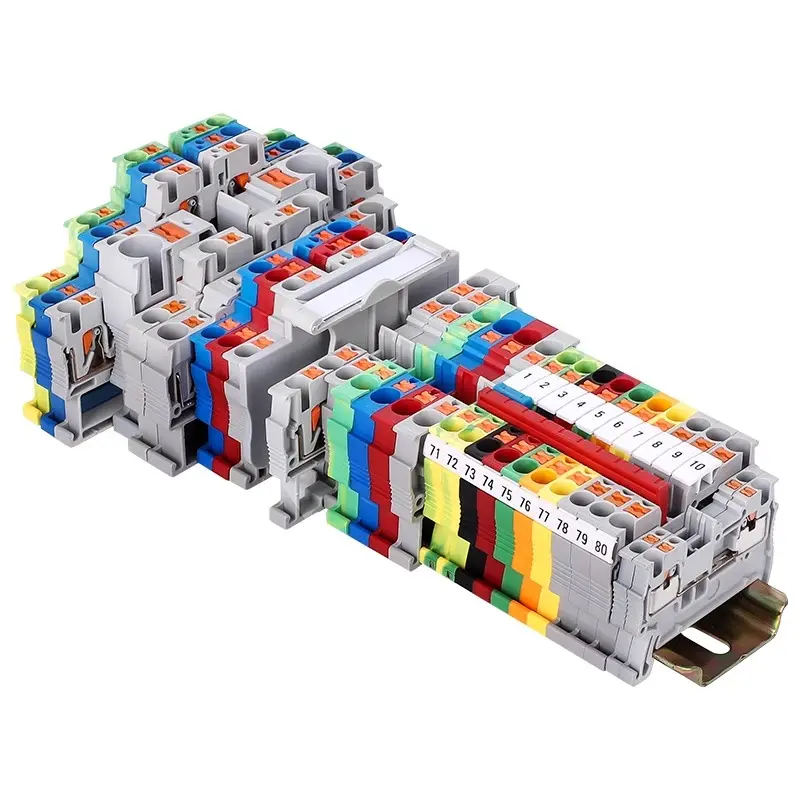
In the broader landscape of industrial transformation, push-in terminal blocks are far more than a wiring upgrade—they are a strategic enabler of next-generation automation. As manufacturing embraces fully connected, data-centric systems, every device, sensor, and actuator demands stable, high-speed, and trackable electrical links. Push-in terminal blocks satisfy this need by uniting three core strengths: rapid installation to support flexible production, long-term reliability to reduce unplanned downtime, and built-in intelligence to feed real-time data into cloud platforms and edge controllers. They form the invisible nervous system that synchronizes energy flow, signal transmission, and data exchange across factories, making them foundational to digital twins, flexible production lines, and unmanned workshops. Without this robust, intelligent connection layer, the vision of Industry 4.0—real-time optimization, autonomous decision-making, and end-to-end transparency—would remain unachievable.
Looking ahead, as industrial connectivity evolves even further, the next generation of terminal products must align with market trends and technological demands to stay competitive. First, intelligence must deepen: terminals will evolve from basic monitoring nodes to edge-computing-enabled smart modules with on-board data processing, fault self-diagnosis, and even self-repair capabilities, supporting real-time adjustment and closed-loop management. Second, integration and miniaturization will accelerate: products will combine power, signal, and data transmission in one compact unit, saving cabinet space while boosting wiring density to fit smaller, more modular equipment designs. Third, environmental adaptability will become non-negotiable: terminals must withstand extreme temperatures, humidity, corrosion, and electromagnetic interference, complying with global certifications for use in renewable energy, rail transit, marine, and explosion-proof applications. Fourth, standardization and openness will prevail: full compatibility with mainstream fieldbuses and industrial Ethernet protocols—such as PROFINET, EtherCAT, and OPC UA—will ensure seamless interoperability across brands and systems, breaking down data silos. Finally, sustainability and safety will be embedded into design: using high-performance, recyclable insulating materials, lowering contact resistance to cut energy loss, and strengthening touch-proof, arc-proof, and fire-resistant features to meet stricter global safety and carbon-reduction targets.
In summary, push-in terminal blocks have already redefined electrical connection in industrial automation, proving themselves a key driver of efficiency and intelligence in the Industry 4.0 era. Their rise underscores the vital role of basic components in shaping industrial progress. For the future, terminal products must continue evolving toward greater intelligence, integration, robustness, standardization, and sustainability to meet the escalating demands of flexible manufacturing, digital interconnection, and green production. In doing so, they will not only keep pace with industrial change but also lead the next wave of innovation, laying a more reliable, intelligent, and efficient foundation for the future of manufacturing.