



Brass vs Copper Which One Should You Choose ?
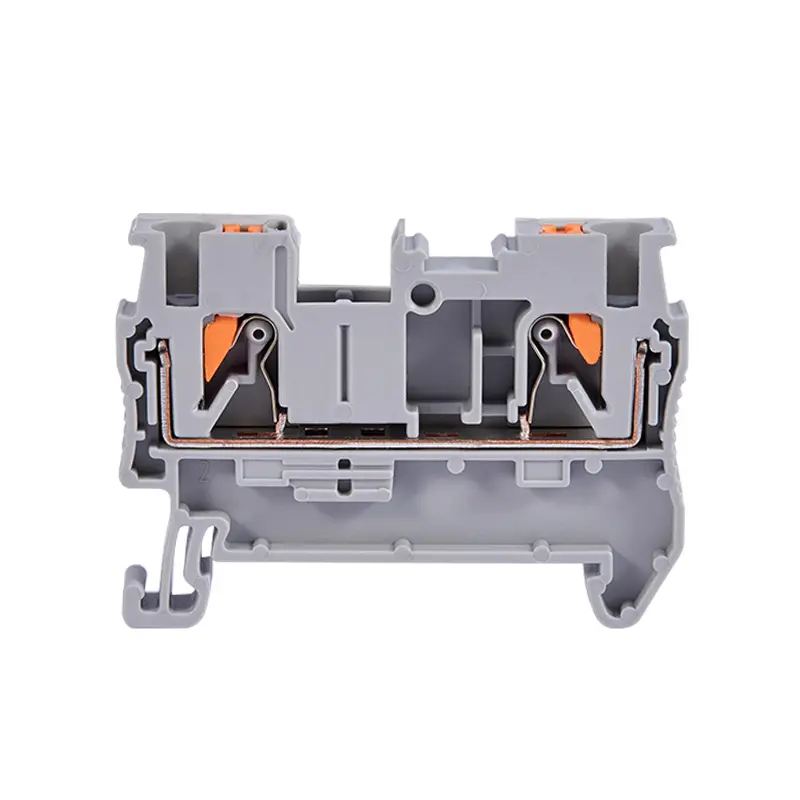
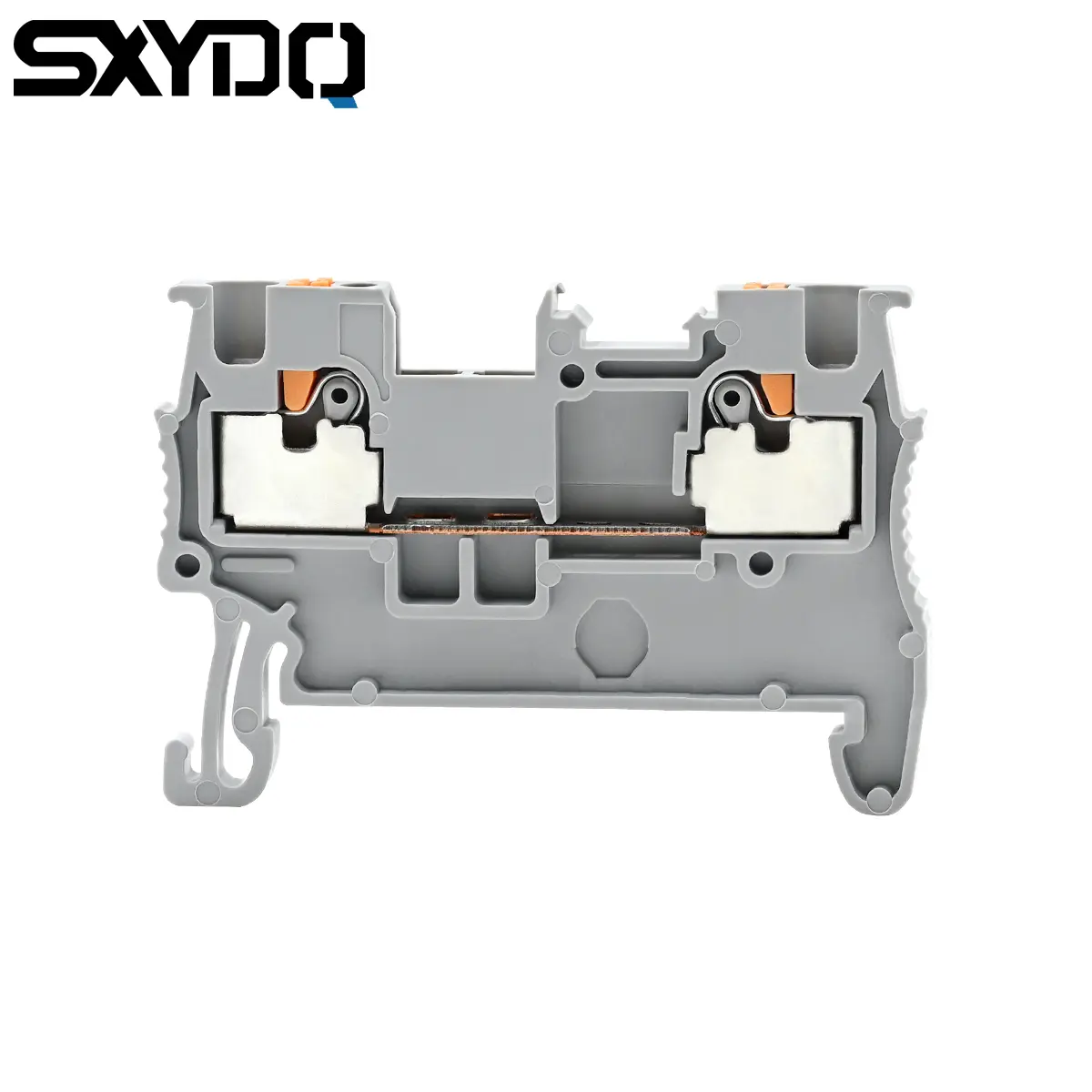
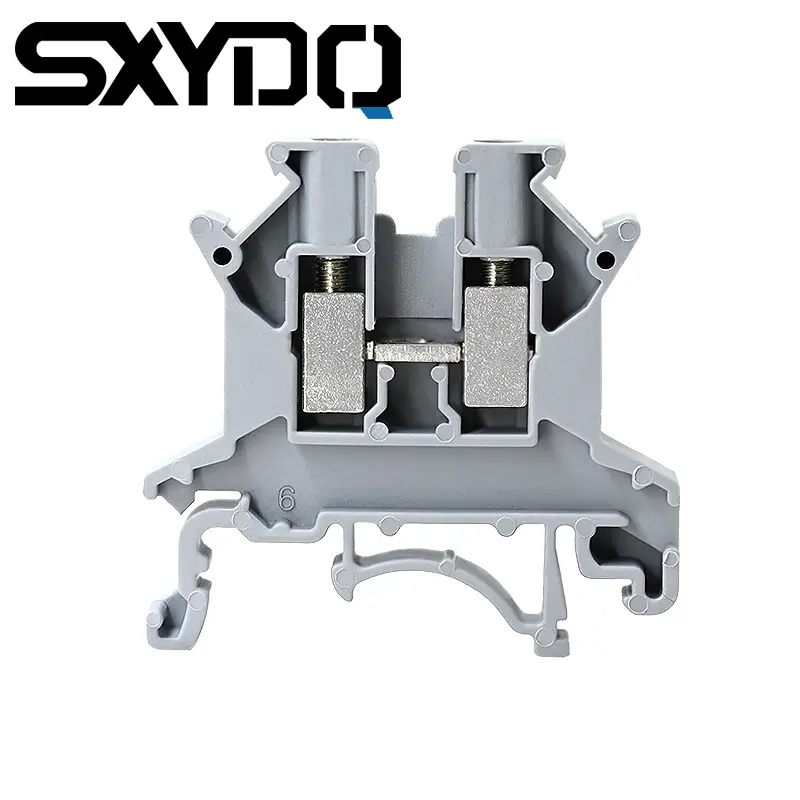
The significance of copper in the terminal block industry can be summed up in one sentence: It is an irreplaceable foundational material that determines the core performance of terminals and the direction of industry development.
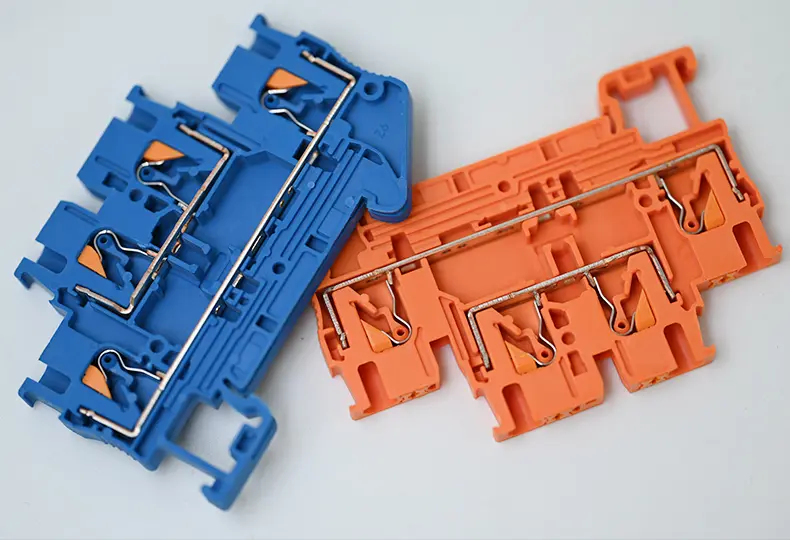
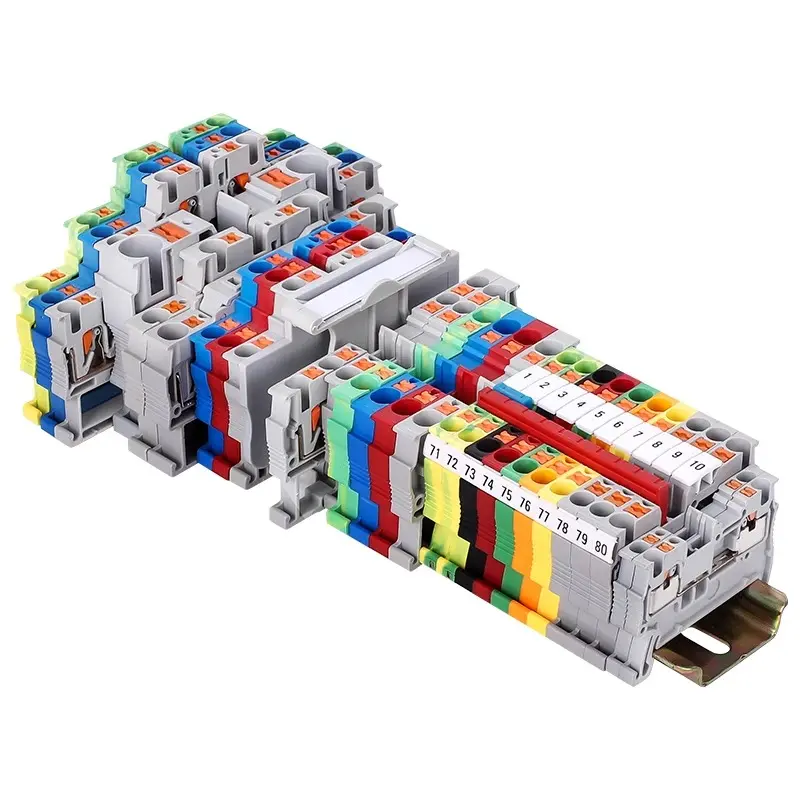
Terminal blocks serve as the “bridge” in electrical connection systems, responsible for safely,reliably, and durably transmitting current and signals. Copper plays a crucial role in this process, specifically manifested in the following aspects:
Copper is the preferred material for manufacturing terminal block conductors. (Why Choose Copper?)

1.Ultimate Electrical Conductivity (Core Reason):
· Among all commonly used metals, copper boasts the second-highest electrical conductivity after silver, yet at a significantly lower cost. This ensures minimal energy loss and maximum efficiency during power transmission while reducing heat generation.
·High conductivity forms the foundation for miniaturized, high-current-density designs. For the same current-carrying capacity, copper conductors can be made smaller, saving valuable space.
2.Excellent thermal conductivity:
· During operation, terminals generate heat due to contact resistance. Copper rapidly conducts and dissipates this heat, preventing localized overheating and ensuring stable and safe connections.
3.Excellent mechanical properties and workability:
· Balance of strength and ductility: Pure copper (red copper) is relatively soft with good ductility, making it easy to crimp and bend. Through alloying (e.g., brass, bronze) or cold working, strength and elasticity can be significantly enhanced to meet varying clamping force and mating cycle requirements.
· Ease of forming: Complex terminal shapes can be efficiently produced through stamping, turning, forging, casting, and other methods, enabling high manufacturing productivity.
4.Outstanding corrosion resistance:
· Copper forms a dense protective layer of basic copper sulfate or copper carbonate (patina) in the atmosphere, preventing further internal oxidation and ensuring stable electrical contact over extended periods of use.
Application Segmentation of Different Copper Materials in Terminals?
*Material:Copper:
Application Features and Typical Uses:
· High Conductivity Requirements: Primarily used in high-current busbars, power transmission terminals, and high-voltage connectors for new energy applications (photovoltaic, electric vehicles), demanding extremely low resistance and temperature rise. Surfaces typically require tin or silver plating to prevent oxidation.
*Material:Brass:
Application Features and Typical Uses:
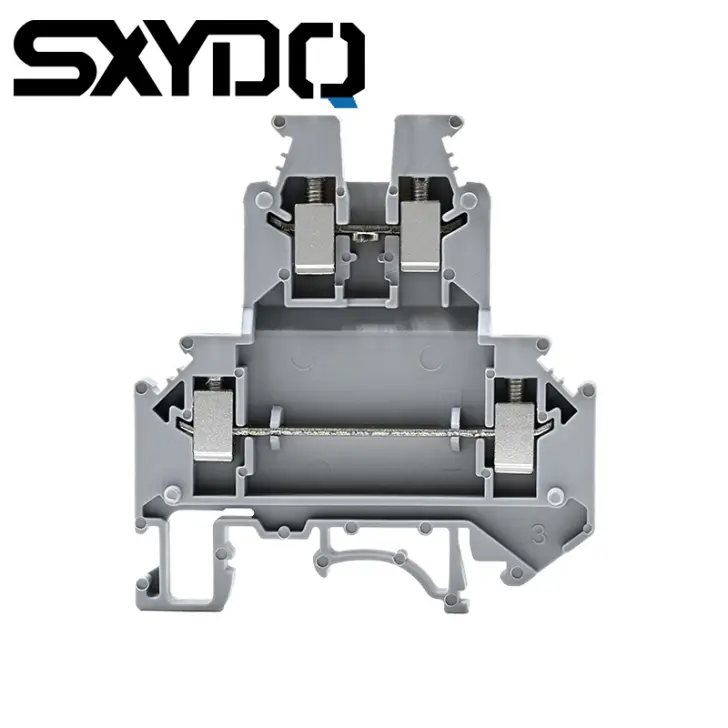
· The King of Versatility and Cost-Effectiveness: Widest application. Features excellent electrical conductivity, superior mechanical strength, outstanding machinability (ideal for screws), and corrosion resistance. Commonly used in grid-type terminal blocks, PCB terminal blocks, and pins/sockets for plug-in terminals. Highly cost-effective.
*Material:Phosphor Bronze:
Application Features and Typical Uses:
· High elasticity and fatigue resistance: Phosphorus added to tin bronze provides superior elasticity, fatigue resistance, and wear resistance compared to brass. Used in applications requiring high contact pressure, frequent insertion/removal, or vibration environments, such as reed switches, wire spring sockets, relay contacts, and battery contacts.
*Material:Beryllium Copper:
Application Features and Typical Uses:
· Top-tier performance: Achieves exceptional strength, hardness, elasticity, and excellent electrical conductivity through heat treatment. Exhibits strong resistance to stress relaxation (i.e., minimal loss of elasticity under prolonged pressure). Ideal for high-end spring contact components in high-reliability applications such as aerospace and defense industries.
Copper Surface Treatment?
Bare copper oxidizes in air, forming a film that increases contact resistance. Therefore, copper terminals almost universally require surface treatment:
*Tin Plating: Most common, low cost, enhances solderability and corrosion resistance, prevents copper oxidation.
*Silver Plating: Used for high conductivity and high-frequency applications (silver offers excellent conductivity and oxidation resistance), but is costly and may discolor in sulfur-containing environments.
*Nickel/Gold Plating: Employed for high-reliability, low-voltage signal connections (e.g., communication terminals). Gold possesses extremely stable chemical properties, delivering the lowest and most consistent contact resistance. However, it is extremely expensive and is typically applied only to critical contact points.
Summary
In the terminal block industry, copper and its alloys reign as the undisputed “star” materials. They perfectly balance the five core requirements: electrical conductivity, thermal conductivity, mechanical strength, workability, and cost. Like following a recipe, the industry selects pure copper, brass, phosphor bronze, or beryllium copper for diverse applications, complemented by precise surface treatments. This enables the production of billions of safe, reliable electrical connection points—from household appliances to spacecraft. Without copper, the reliability and efficiency of modern electrical connection technology would be unimaginable.